Bridle Leather vs Harness Leather for a Garden Tool Belt
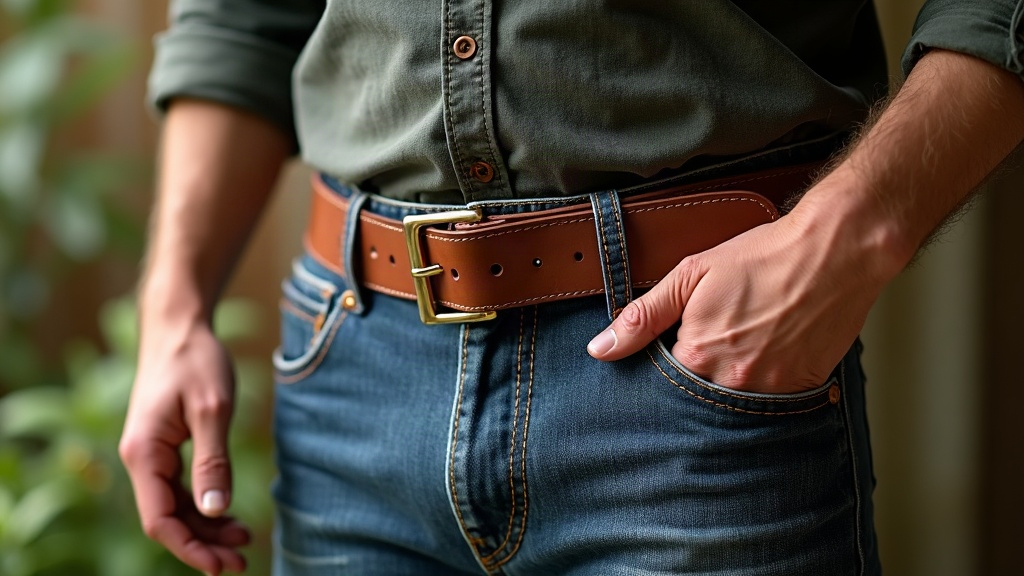
If you’re torn between bridle leather and harness leather for a one-piece garden tool belt, here’s the quick version: harness leather wins for heavy outdoor work because it’s stiffer and packed with oil all the way through, while bridle leather gives you a smoother finish and a bit more flex for lighter, everyday use. Both are vegetable-tanned, full-grain hides built to take a beating. But once you throw in dirt, water, and hours of bending and kneeling, they start behaving pretty differently.
What Makes Bridle and Harness Leather Different
Both start from the same raw material (thick, vegetable-tanned cowhide), but the finishing process splits them apart.
Bridle leather is:
- Heavily waxed and hot-stuffed with oils and waxes during finishing
- Burnished smooth on the surface, giving it that glossy, “dressed” look you see on good belts and straps
- Flexible enough to wrap around buckles and curves without splitting
- Originally made for horse bridles and reins, straps that flex constantly and need to stay supple
Harness leather is:
- Oil-tanned too, but the finish is firmer and much less waxy
- Thicker and stiffer on average, built for structural straps, think old wagon harnesses hauling real weight
- More abrasion-resistant simply because it’s rougher and less polished to begin with
- A little dry and coarse to the touch right out of the box
Why This Matters for a Garden Tool Belt
A one-piece tool belt isn’t just a strip of nice leather hanging off your hip. It’s working gear, and it takes a beating:
- Dragged through dirt, mulch, and wet grass all season
- Loaded down with pruners, a trowel, gloves, maybe a hand saw
- Flexed constantly as you kneel, reach, bend, stand back up
- Left out in UV and damp if you store it in a shed instead of indoors
Durability Under Load
Harness leather’s stiffness is actually an advantage here. It resists sagging under the weight of tools far better than bridle leather does. Pack your belt with a hori-hori knife, a pair of shears, and a pouch of seed packets, and harness leather holds its shape at the stress points instead of stretching out over a season.
Bridle leather was never meant for that kind of static load. It was built for flex, think a bit strap moving constantly in a horse’s mouth, not a belt hanging heavy and still for hours. Load one up day after day and you’ll likely notice more give at the buckle holes over time, plus some stretch in the main strap.
Moisture and Soil Resistance
Garden work means mud, hose spray, humidity, the works. Harness leather’s oil runs deep into the hide itself, not just the surface, so it handles moisture better and dries out without getting brittle or stiff. Bridle leather’s wax coating repels a little moisture at first, sure, but that wax wears thin fast at friction points (where the belt rubs against your hip, or where a loop presses against it). Once the wax is gone there, water soaks in faster than you’d expect.
Comfort and Break-In
This is where bridle leather pulls ahead. That smooth, waxy surface feels good against your clothes and skin from the very first wear. No break-in required. Harness leather, on the other hand, comes out of the box stiff as a board, and it can take three or four weeks of regular wear before it softens up enough to sit comfortably around your waist.
Which Should You Choose?
Pick harness leather if:
- You’re out gardening several days a week, rain or shine
- Your belt carries heavier tools, loppers, hand saws, a full-size trowel
- You care more about lifespan than looks
Pick bridle leather if:
- You want something that looks sharp and feels good immediately
- Your gardening is lighter work, hand tools, gloves, seed packets, that sort of thing
- You keep the belt indoors and away from constant mud and moisture
Maintenance Tips for Either Leather
- Wipe off dirt and mud with a damp cloth right after heavy use. Don’t let soil dry into the grain, it’s much harder to clean out once it sets.
- Condition every 2-3 months with a leather balm. Skip saddle soap on bridle leather specifically, it can strip the wax finish right off.
- Store it hanging on a hook or laid flat, never folded. Folding creates creases that eventually crack.
- If it gets soaked through, let it air dry on its own. No direct heat, no hair dryers, no sitting next to a radiator.
Conclusion
If your one-piece garden tool belt needs to survive mud, weight, and constant flexing day after day, harness leather is the smarter long-term bet, thanks to that stiffness and deep oil saturation. Bridle leather still holds its own if comfort and that immediate, broken-in feel matter more to you than raw toughness. Either way, you’re picking from the best vegetable-tanned leather money can buy. The real question is just how hard, and how often, you actually garden.