Spring Cleaning a Leather Fly-Fishing Reel Case After Muddy Trips
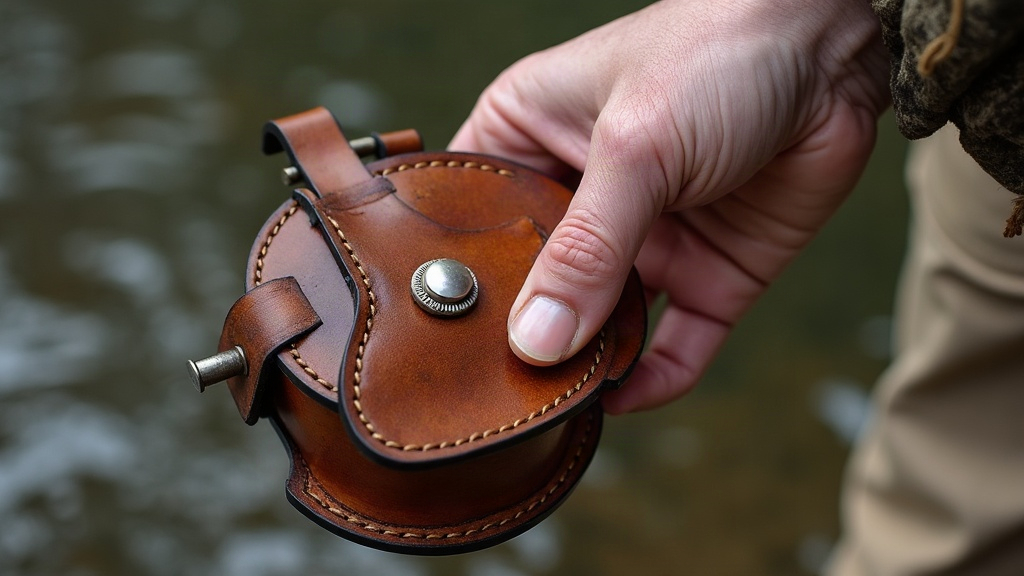
Spring’s the natural moment to finally give that leather reel case a real clean, after a season of muddy banks, soaked waders, and the fine dust that settles on everything near a river. A good leather case will protect your reel for years, no question. But dried mud, silt, and lingering moisture dull the surface, chew away at stitching, and can even invite mold if you let the case sit untreated in a closet. Here’s exactly how to clean, condition, and bring one back to life so it’s ready for another season.
Why Muddy River Trips Are Tough on Leather
Riverbank mud isn’t just dirt. It’s a gritty blend of fine silt, organic debris, and minerals that works its way deep into the leather grain. Add the damp-dry cycle you get from a day on the water, soaked in the morning, baked dry by afternoon sun, and you’ve got a recipe for trouble:
- Cracking, from leather drying out too fast after getting wet
- Discoloration, caused by mineral deposits and algae residue
- Mildew spots, if the case got packed away still damp
- Weakened seams, where moisture slowly breaks down the thread
Catch these problems early, ideally in spring before your next trip, and you’ll avoid damage that’s basically permanent once it sets in.
Step 1: Dry Brush Off Loose Debris
Before you introduce any liquid, get the loose, dried mud off with a soft-bristle brush. An old toothbrush does wonders around seams and buckles. Work in small, gentle circles, and pay close attention to:
- Stitched edges and rivets
- Zipper tracks or snap closures
- Interior padding, where silt tends to settle
One rule here: never scrub mud while it’s wet. Let it dry out completely first, so it flakes away instead of grinding further into the pores.
Step 2: Clean with a Leather-Safe Solution
Once the debris is gone, mix up a mild solution: saddle soap or a proper leather cleaner with lukewarm water. Skip the dish soap and household cleaners sitting under your sink. They strip the natural oils out of leather and speed up cracking, even if the case looks fine right after.
- Dampen (don’t soak) a microfiber cloth with the solution.
- Wipe the case section by section, following the direction of the grain.
- Go over it again with a slightly damp, clean cloth to lift residue.
- Pat dry right away with a dry towel.
Got stubborn mineral staining near the base, the kind you get from kneeling in shallow water for an hour photographing a fish? A leather-specific stain remover on a cotton swab handles it far better than scrubbing, which tends to burnish the surface unevenly and leave shiny patches.
Step 3: Address Mildew or Odor
If the case smells musty, a telltale sign it went into storage still damp, wipe it down with a half-and-half mix of water and white vinegar. Then let it air dry somewhere well-ventilated, out of direct sunlight. Heat or sun will shrink and crack leather fast, so always let it dry slowly, indoors, at room temperature.
Step 4: Condition to Restore Flexibility
Cleaning strips oils along with the dirt, so leather needs those replaced to stay supple. Grab a leather conditioner (lanolin-based or beeswax-based formulas both work well for fishing gear) and apply it with a soft cloth in thin, even layers.
- Let it soak in for 15 to 20 minutes
- Buff off whatever’s left with a clean cloth
- If the leather still feels dry or stiff, go back with a second light coat
Honestly, this is the step that decides whether a case lasts one season or ten.
Step 5: Check Hardware and Stitching
While the leather’s drying, take a minute to look over:
- Zippers and clasps, brush out the grit and drop in a bit of silicone lubricant
- Stitching, check for fraying or loose threads; a local leather repair shop can resew small sections cheaply before they fully unravel
- Interior lining, vacuum out any sand or silt that’s settled at the bottom
Step 6: Store It Properly Between Trips
Even a spotless, freshly conditioned case will degrade quickly if you store it wrong. Keep it:
- In a cool, dry spot, out of direct sunlight
- Loosely stuffed with acid-free tissue paper to help it hold shape
- Far away from plastic bags, which trap moisture and practically invite mildew
Quick Spring Maintenance Checklist
- Brush off dried mud and debris
- Clean with saddle soap or leather cleaner
- Treat any mildew with a vinegar solution
- Condition the leather thoroughly
- Check zippers, clasps, and stitching
- Store properly in breathable conditions
Final Thoughts
A leather reel case takes a real beating through muddy river season, but a proper spring cleaning keeps it looking good and working well for years. Set aside 30 to 40 minutes for this now, and you’re protecting both your reel and the money you put into decent gear, ready for whatever the next season on the water throws at it.