How to Prevent Green Corrosion on Brass Horse Tack Hardware
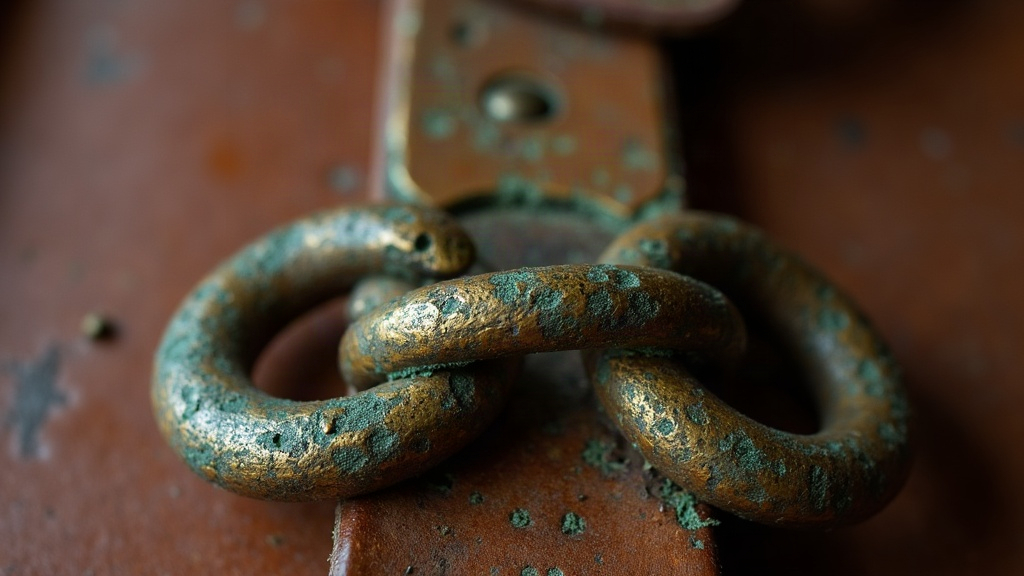
Why Your Brass Tack Hardware Keeps Turning Green (and How to Stop It)
That greenish film creeping over your buckles and conchos has a name: verdigris. It shows up when copper, the main ingredient in brass, reacts with moisture, oxygen, and acids from sweat, saddle soap, or leather conditioner. The frustrating part? Most horse owners deal with this on repeat because nobody told them the three or four small habits that actually prevent it. Here’s the full breakdown, why it happens and what actually works to stop it.
Why Brass Hardware Turns Green
Brass is just copper mixed with zinc, and copper doesn’t play nice with moisture or acidic substances. Leave brass buckles, rings, or conchos exposed to any of these long enough, and you’ll see the problem:
- Horse sweat (acidic, salty, and corrosive in ways most riders underestimate)
- Humidity sitting in tack rooms or trailers
- Leather cleaning products loaded with acid or ammonia
- Poor airflow during storage
Put those together and you get that blue-green patina people call verdigris. Funny thing: the same patina was once prized on bronze statues because it actually protects the metal underneath. On tack hardware, though, it usually just means something got neglected. Worse, it doesn’t stay put. Verdigris can bleed onto leather, leaving permanent stains, and it quietly weakens stitching wherever it sits against the material for too long.
Daily and Weekly Prevention Habits
1. Wipe Down After Every Ride
Sweat is public enemy number one here. Grab a dry, soft cloth right after you untack and wipe down every piece of brass hardware. Thirty seconds of effort removes moisture and salt residue before they get the chance to sit and start the oxidation process.
2. Dry Tack Thoroughly Before Storage
Don’t hang up a damp saddle, bridle, or halter and call it done. Give tack real time in a well-ventilated spot until it’s bone dry. Even a trace of leftover moisture pressed against brass can trigger corrosion by the next morning, no exaggeration.
3. Choose the Right Cleaning Products
Here’s where a lot of people go wrong without realizing it: not every saddle soap or conditioner is safe for hardware. Steer clear of:
- Anything with heavy ammonia or vinegar content
- Dish soap used as a quick substitute (it’s not a good one)
- Too much oil pooling around the metal fittings
A pH-balanced leather cleaner paired with a dedicated brass polish made for alloy hardware is the safer combo. Keep the two jobs separate.
Deep Cleaning: How to Remove Existing Green Corrosion
Already seeing green? Don’t write off the hardware yet. Caught early, this is fixable.
- Take the hardware off if you can. Buckles that unscrew or unclip are far easier to treat, and you won’t risk damaging the leather around them.
- Mix up a simple paste. A bit of white vinegar stirred into baking soda works fine, or grab a commercial brass cleaner if you’d rather skip the DIY route.
- Scrub with a soft toothbrush. Small circular motions, gentle pressure. Skip steel wool and anything abrasive, those will scratch the brass and make things worse.
- Rinse, then dry right away. Vinegar residue left sitting will just restart the corrosion cycle, so towel it dry thoroughly and don’t let it air-dry on its own.
- Finish with polish or wax. A thin coat of brass polish or microcrystalline wax adds a protective layer that fights off the next round of oxidation.
Protecting Leather During Hardware Cleaning
Before you touch any cleaning paste to the metal, cover the surrounding leather with a cloth or some masking tape. The same acids that are perfectly fine for brass can dry out or discolor leather if they sit in contact too long, which defeats the whole purpose.
Smart Storage Solutions
- Switch to breathable tack bags. Airtight plastic traps condensation, which is exactly what you’re trying to avoid.
- Keep tack in climate-controlled spaces. Aim for humidity under 60% whenever that’s realistic.
- Toss silica gel packets into tack trunks or lockers. They quietly soak up excess moisture over time.
- Keep brass away from other metals, especially aluminum stirrups. Store them together while damp and you risk galvanic corrosion, which speeds up the whole process.
When to Replace Instead of Restore
Sometimes restoration just isn’t worth it. If corrosion has pitted the brass deeply, or if it’s compromised a buckle’s structural integrity, particularly on safety-critical pieces like bit hardware or billet straps, replace it. Don’t gamble with it. A pitted, weakened buckle can fail right when you’re putting weight or tension on it, and that’s not a risk worth taking to save a few dollars.
Final Thoughts
Three habits are really all it takes to keep green corrosion off your brass tack hardware: dry everything promptly, use cleaning products that won’t attack the metal, and store gear somewhere dry and ventilated. A few minutes of attention after each ride beats dealing with stained leather, expensive repairs, or compromised safety hardware later. Your tack is an investment. Treat it like one, and it’ll keep looking good and working reliably for years.